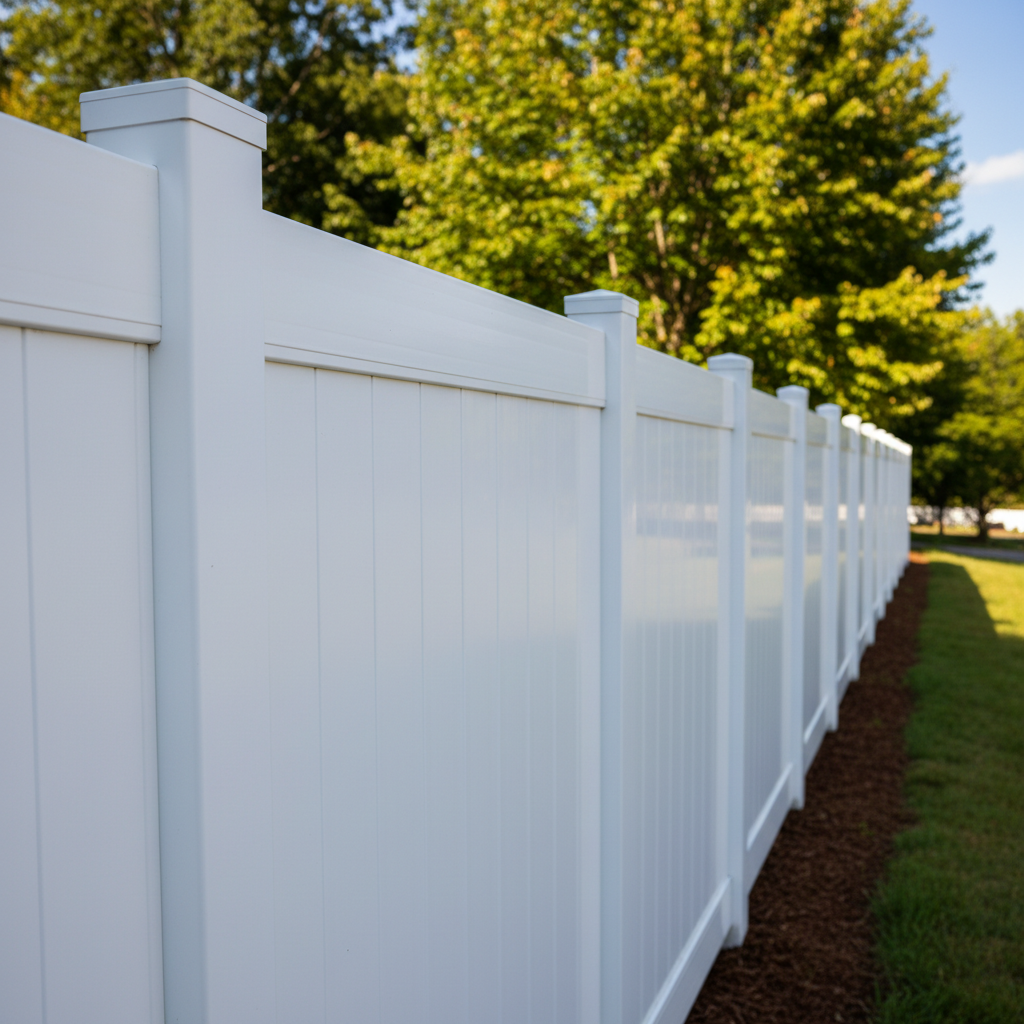
Thinking About a DIY Vinyl Fence in Maryville? Here's the Real Scoop.
You're looking at your yard, maybe you've got kids or pets, or you just want some privacy from the neighbors over in Montvale. A vinyl fence is a great choice for Maryville homes – it's durable, low-maintenance, and looks sharp for years. I get a lot of folks asking me, "Can I install a vinyl fence myself?" The short answer is: parts of it, yes. All of it? That depends on your skill, your patience, and your tools. Let's break down what you need to know before, during, and after you decide to take on this project.
Before You Even Buy a Single Post
This is where most DIY projects go sideways before they even start. Don't skip these steps, seriously.
- Check Local Regulations: Every city and county has rules about fences. In Maryville, you'll need to check with the city planning department about permits, height restrictions, and how far back from your property line the fence needs to be. You don't want to build a beautiful fence only to find out you have to tear it down.
- Call 811: This is non-negotiable. Before you dig *anything*, call 811 to have utility lines marked. It's free, it's the law, and it could save your life or prevent a costly repair. We've got all sorts of lines running underground here – gas, water, electric, internet – and hitting one is no joke.
- Understand Your Property Lines: You'd be surprised how many disputes start because someone put a fence a foot or two onto their neighbor's land. If you're not 100% sure, get a survey done. It's an investment that pays off in peace of mind.
- Choose the Right Fence: Vinyl comes in different styles and qualities. Do you want privacy, semi-privacy, or picket style? Think about the wind we get coming off the mountains sometimes; a solid privacy fence catches a lot of wind, so proper post setting is crucial.
- Plan Your Layout: Sketch it out. Measure everything twice. Account for gates, corners, and any slopes in your yard. Vinyl fence panels are usually fixed lengths, so you'll need to figure out where you might have to cut panels or use smaller sections.
During Installation: The Nitty-Gritty
Okay, you've done your homework. Now for the actual work. This is where the "DIY vs. Pro" question really comes into play.
What You Can Realistically DIY
If you're handy with tools and have a decent amount of time, you can definitely handle some of the grunt work.
- Digging Post Holes: If your soil isn't too rocky – and let's be honest, in some parts of Maryville, especially closer to the foothills, you hit rock pretty fast – you can rent a post-hole digger. This is physically demanding work, especially for a long fence run.
- Mixing Concrete: You'll need concrete for every post. This isn't rocket science, but it's messy and heavy.
- Assembling Panels: Most vinyl fence panels snap together. It's like a big LEGO set, but heavier.
- Leveling: With a good string line and a level, you can keep your fence straight and plumb. This takes patience and a good eye.
When to Call Allied Fencing (or Another Pro)
There are certain aspects where a professional touch makes all the difference, or where the cost of specialized tools outweighs the savings of DIY.
- Rocky Soil or Steep Slopes: If you're hitting bedrock every two feet, or your yard looks like a ski slope, digging straight, uniform post holes is incredibly difficult without specialized equipment. We've got hydraulic augers for a reason.
- Perfect Alignment and Leveling: Getting a long fence run perfectly straight and level, especially with multiple gates, is harder than it looks. Pros have laser levels and years of experience making it look seamless. A crooked fence sticks out like a sore thumb.
- Complex Layouts: Lots of angles, curves, or needing to integrate with existing structures? That's where a pro's planning and cutting skills come in handy to avoid wasted materials and ugly transitions.
- Time is Money: If you're working a full-time job, a 200-foot fence could take you weeks of evenings and weekends. We can get it done in a fraction of the time, often with better results.
- Warranty and Guarantees: When Allied Fencing installs your fence, it comes with a warranty on our workmanship. If something goes wrong, we fix it. With DIY, you're on your own.
Honestly, the biggest mistake I see folks make is underestimating the physical labor and the precision required. It's not just sticking posts in the ground; it's about getting them perfectly spaced, perfectly plumb, and perfectly aligned so the panels fit right and the gates open smoothly for years to come.
After the Install: Enjoying Your New Fence
One of the best things about vinyl is how little maintenance it needs. You won't be painting or staining this fence, ever. A simple wash with a hose and maybe some mild soap will usually take care of any dirt or mildew. If you get some stubborn stains, there are specific vinyl fence cleaners out there. Just avoid harsh abrasives or pressure washers set too high, as they can damage the surface.
Keep an eye on your gate hardware. Hinges and latches can sometimes loosen over time, especially with heavy use. A quick tightening with a screwdriver is usually all it takes. And that's about it! You've got a beautiful, durable fence that will enhance your Maryville home for decades.
Whether you tackle it yourself or decide to bring in a professional, a vinyl fence is a fantastic investment. Just make sure you go into it with your eyes wide open about the work involved.